404
Oops... Page Not Found!
Sorry, we are unable to find the page that you are looking for. Please click on any one of the following pages below to go back to our website:
 by
BLINK HOTELS TM
by
BLINK HOTELS TM
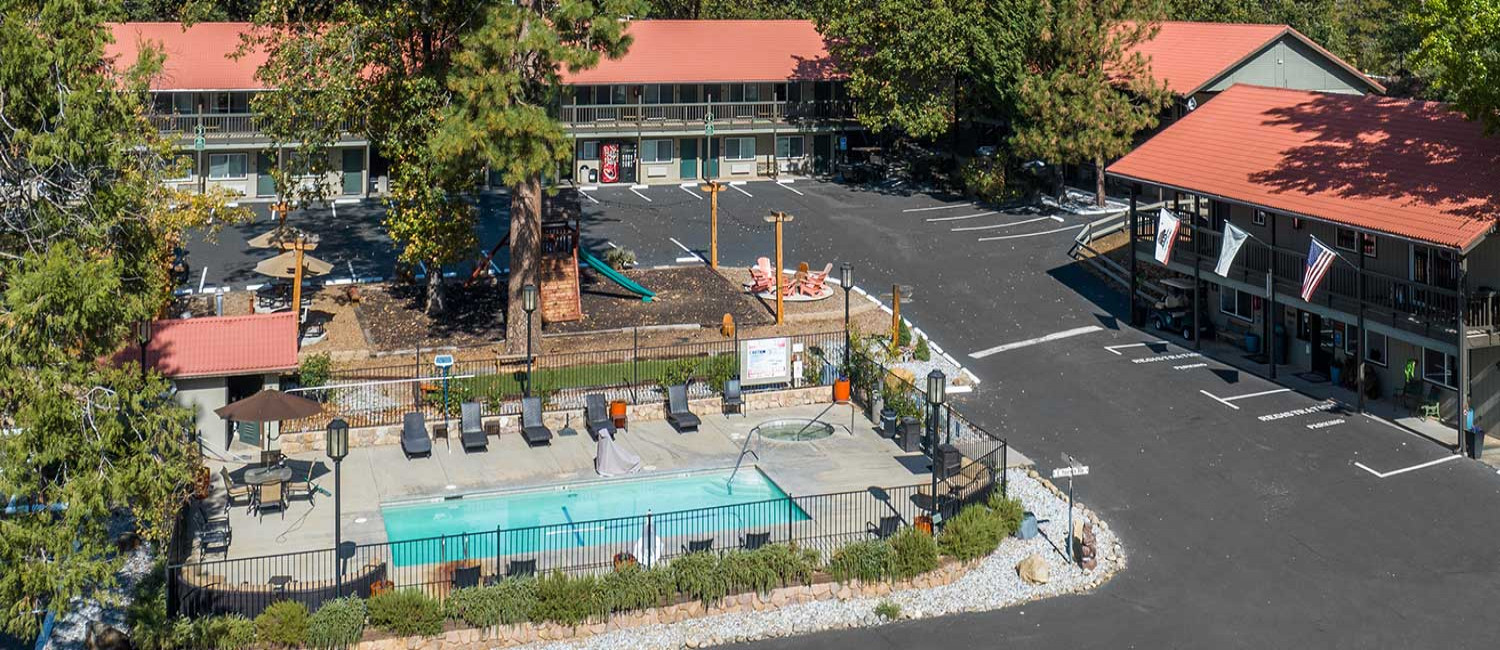
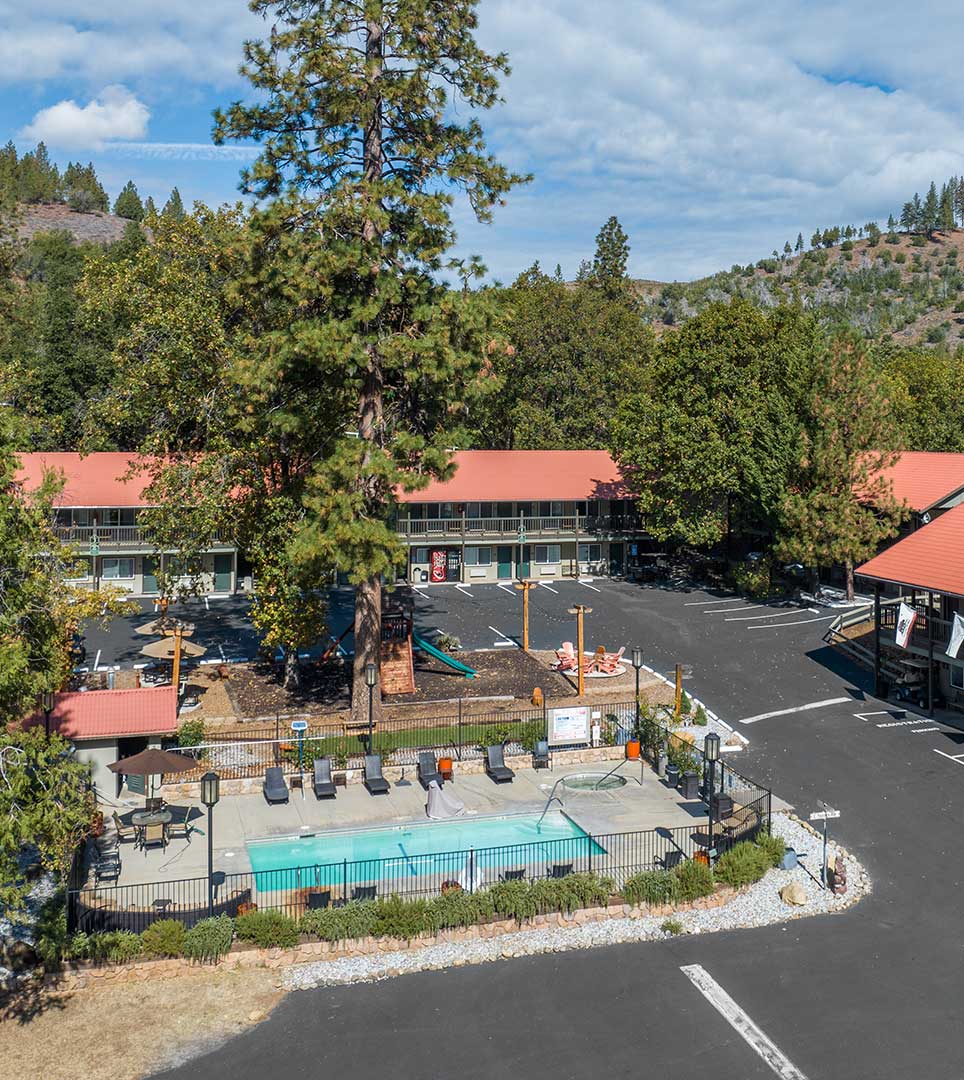
TAKE A LOOK AT WHAT OUR YOSEMITE AREA HOTEL OFFERS
Sorry, we are unable to find the page that you are looking for. Please click on any one of the following pages below to go back to our website:
Website Design, Development, and Digital Marketing Powered by INNsight.
Copyright © 2024 INNsight.com, Inc.
This website uses cookies to deliver our services and to show you relevant inventory, property details, and rates for Yosemite Westgate Lodge. By using our website, you acknowledge that you have read and understand our Cookie Policy, Privacy Policy, and our Terms of Service. Your use of Yosemite Westgate Lodge's services, including the booking of online reservations, is subject to these policies and terms.